September 16, 2026

golf

The former All-Star finding his groove on the golf course. 

Even though Berkeley, California native Tyson Ross earned his way to become a National League All-Star pitcher in 2014, he still may not be considered the most accomplished person in his family. His father is a respected pediatrician, while his mother an emergency-room nurse. The Ross family has always been tight knit, though, so success was perhaps inevitable. While Tyson and his younger brother Joe – also a Major Leaguer – grew up playing baseball, Tyson went on to pitch at UC Berkeley, where he excelled with the Golden Bears.
Drafted by the Oakland Athletics in 2008, Tyson made his MLB debut in April 2010 and impressively struck out his first batter — future Hall of Famer Ken Griffey, Jr. He then spent parts of three seasons between the A’s and their triple-A affiliate Sacramento, posting an 11–5 record and 128 strikeouts in one standout season. In November 2012, he was traded to the San Diego Padres, a move that transformed him.

In 2014 – his All-Star season – Tyson notched a 13–14 record alongside an outstanding 2.81 ERA and 195 strikeouts across 195⅔ innings. The following year, he led the league with 33 starts, struck out a career-high 212 batters, and earned his second consecutive Padres Pitcher of the Year award. Unfortunately, his rising momentum stalled in 2016 when he underwent thoracic outlet syndrome surgery, requiring rib removal.

In the comeback and latter phases of his playing career, he pitched for the Texas Rangers, the Padres again, as well as the St. Louis Cardinals and Detroit Tigers before retiring—closing out a 10-year MLB career with a 44–70 record, 4.04 ERA, and 816 strikeouts.

But rather than fade quietly into retirement, he finished his degree in American Studies at UC Berkeley while working as a Special Assistant in Player Development for the Los Angeles Dodgers – a team he still works for. He also founded Loyal to My Soil, a nonprofit delivering free baseball and softball clinics in underserved Bay Area youth communities. These camps are led by former college and pro players and include coach training sessions and recovery clinics. Tyson has also become a mental health and performance advocate, partnering with a self-care studio to lead workshops for young athletes on recovery, meditation and resilience. Always the family man, he’s married and has two sons plus a rescue dog. In 2020, as protests ignited following high-profile police killings, he helped establish The Players Alliance aimed at improving diversity in baseball. His own nonprofit builds on that mission, bringing the joy of baseball to kids who might not otherwise have access.

He recently shared more about his story and how he enjoys giving back to the community – especially through golf.
What initially sparked your love for golf?

I started golfing as a kid. My dad’s two loves were coaching me and my brother in baseball and playing golf. So he got me out on the course early. I wasn’t patient. I played until I was about 13, and then kind of stepped away from the game and just focused on playing baseball for a long time. And I came back in 2017. I was coming off a rehab year – just had a major surgery. My career kind of fell off, and I decided to pick up golf figuring I needed to suck at something other than baseball right now. And that’s when I kind of fell in love with it. It was the camaraderie of getting out there with some friends, the constant challenge of trying to improve. It reminded me a lot of pitching, except I didn’t have a lifetime of experience, and I was basically starting at zero.

What translates from being an elite baseball player to becoming a more competitive golfer?

So many things. Baseball is a rotational sport, and so is golf. This ability to have some hand-eye coordination from my youth translates to the game, but the mental side of the game is something that I really enjoy. And that’s the part of baseball that I really loved – the ability to try and repeat your best effort over and over again. When you do something bad, how quickly can you bounce back from your mistake? Pitching and golf are really similar in those ways, and that’s something that I really enjoy. I wish I was better at it, but it makes me appreciate the game, just because even though I shank a shot, I can still recover. It’s not how good my best shot is, but how bad my worst ones are that determines exactly the day on the course.

Is it easier to find the strike zone or the fairway?

Strike zone. And a lot of times the batter helps bail me out and chase something. But getting off the tee is definitely the bane of my existence in golf right now, and it’s hard to slow down when you’re big and strong and you know you can hit it far, but it’s more about placement and distance.

What is Loyal to My Soil?

It’s a charity program I started during COVID. Essentially, we go around and host free camps for kids in underserved communities. Baseball and softball are the primary focus. I grew up in Oakland, California, playing youth baseball in the community. We had a great network of people, parents giving back, older kids umpiring, kids playing pick-up baseball on the side, having rundowns, watching other kids play. It was just kind of like a central hub in the community. And that league really died off. And a lot of pay-for-play sports have taken over. So I just wanted to give kids an opportunity, regardless of financial income or your parents, to get out and play the game, learn to love it, and build a community. We host a big annual golf tournament. It will be held November 3 this year at The Club at Ruby Hill in Pleasanton, California. If anyone wants to join us, it’s a lot of fun.

What drew you to TRUE linkswear, and what do you appreciate about the brand and the people there?

I’m a sneakerhead. I love shoes. Growing up, I had a big Jordan collection. I thinned it out, but I still have some. When I got into golf, of course, I saw Nike had Jordans with a bunch of spikes on the bottom, and I bought a bunch of them. I looked ridiculous on the course shooting over 100 with these $200 sneakers on and they weren’t very comfortable. And so part of my journey in athletics and training, I found the value of natural footwear, whether it’s wide toe boxes or zero drop. And I just came across TRUE back in the day, probably around 2020. I bought a couple pairs. And I was like, dude, these are amazing – the comfort, the style, the ability to wear on and off the course. It was just something that was really cool. It was a startup brand. And I was loyal. TRUE was kind of in that same branding scheme, if you will. And I just fell in love with the brand. Then they started rolling out clothing, which surprisingly fit me – I’m 6’6” tall and weigh 280 pounds, and golf apparel isn’t made for people my size. But I found things that worked and it was just a perfect fit.

When you’re watching PGA Tour pros on TV, what’s your biggest takeaway from seeing those guys perform at their peak level? And how do you associate that as a professional athlete?

I have such a deep appreciation for how easy they make it look. The elite of the league, whether you’re watching the NBA or baseball up close or golf on TV, their misses are so minimal. And even if they do miss, they’re able to have a safe miss. And so I think watching some of the times you hear things miked up in little clips, and I really appreciate their process of how they approach a shot, what they’re looking at, how they determine what they’re trying to do, and all the factors that go into it. And then to see them execute. Whereas I get a bad read on a rangefinder and just take a hack with my 7-iron. I know how big the gap is between how they’re playing the game and what I’m doing. But it’s pretty cool to see the pros do it, and it’s amazing.

How often do you play golf right now?

If I play four rounds a month, I’m in a pretty good spot. I’ve got two young kids at home, six and three and a half, and then I work in player development for the Dodgers. I fly all over the country and globe, really, working with different players. And actually when I’m on work trips, that’s my best bet for getting out and playing.

What’s your favorite golf memory so far?

That’s a good question. Two weeks ago, we went on a family vacation to Oahu, with my kids and then my parents. I played Ko Olina Golf Club with my dad and my six-year-old. Just the three of us, three generations hanging out in the cart. That was a good time.

Rumor is you’ve had a lot of funny golf miscue stories. Any you can share?

As I alluded to earlier, I played golf until I was about 13, and that’s when things ended. My sister had a soccer tournament in San Diego. My dad took me out golfing at the Omni La Costa Resort down there. And while unusual, San Diego had a little light drizzle that day, and I didn’t have a golf glove. I told my Dad I needed a golf glove. It’s wet. And he’s like, Hey, just shut up and hit the ball. So I take a swing, and the club slips out of my hand, flies down the fairway a bit and gets lodged up in a tree. That was the last time my dad took me golfing for a long time. But in a full-circle moment, I got married at like 32 at that same hotel. And our honeymoon suite overlooked that same fairway. And no, the club was not still up there.

Any long-term golf dreams?

Definitely to start playing more and take some golf trips with my friends. Right now, we all have young kids, and I’m traveling a bunch for work, so to be able to do a full golf vacation, like to St George, Utah looks really cool. My dad’s traveled all over the world. He went to Australia earlier this year for a week-long golf trip. He’s done St Andrews. He’s done all that stuff. I don’t need to go international but a weekend with the boys to get away and play some golf. And the par-3 course at Big Cedar Lodge in Missouri looks incredible. I’ve been seeing videos of that non-stop.

What would you like people to know about The Players Alliance?

It’s a fantastic group of current and former major league players, mostly of color, who are working to grow the game in their community. They’ve been doing tremendous work since its inception. They support programs like Loyal to My Soil with grant money and equipment, and it’s just a fantastic way of players taking charge and giving back to the younger generation.

Both of your parents got into medicine. Was that something you initially wanted to do, before you got into baseball?

I loved sports growing up. And obviously our home was a big medical household, so I figured I would blend in too. I was interested in sports medicine through high school. And I took the basic sports medicine class we had at Bishop O’Dowd High School. And then as my career went on, my natural curiosity allowed me to kind of look into different training modalities, and working with high-level physical therapists to try and be physically prepared and recovered to play my best. So I think having that medical background at home allowed me to see the game differently and really invest in my body along the way. But my sister followed my parents’ footsteps. She’s a pediatric doctor. I don’t think it’s genetic, I think she just worked incredibly hard.
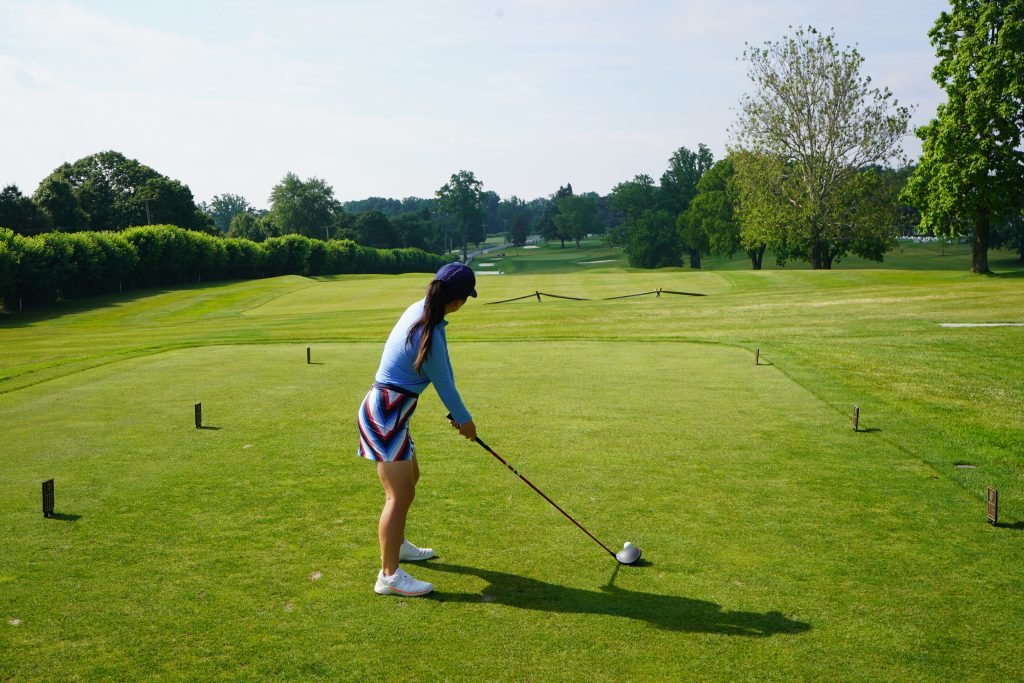
Are you choosing the correct side of the tee box for your swing?

If you’re guilty of trying to make a driver swing change in the middle of your round like most, you’ve probably realized that it isn’t the greatest way to play. Instead of trying to make mechanical changes, try playing with the shot that you have for that day and take advantage of your surroundings instead. Most tee boxes are wide enough to set up in a variety of locations, so let’s figure out which side is the correct side for you. In general, whatever side you fear hitting to, you will go to that side of the box.

Scenario 1

Let’s say that you are a player who absolutely hates missing the shot to the left. I would suggest that you set up on that side of the tee box to eliminate the left side. If you tee it up on that side, you will open up more of the right side of the hole.

To help avoid the left side of the fairway. Tee it up on the left.

Scenario 2

If the right side of the hole makes your blood boil, try teeing it up on the right side of the tee box, so you’ll be more inclined to aim out toward the left side.

Golfer who typically fade or slice the ball, you should tee it up on the right side.

Scenario 3

The middle of the tee box works best if your miss is minimal both ways and if you’re teeing off with a shorter club.

If you hit pretty straight then you are generally safe to tee it up in the middle.

Bonus Tip:

Did you know that you can set up with your feet outside of the tee markers? As long as the ball itself is teed up within the parameters of the markers, it is completely legal. As extreme as this may be, it comes in handy if the teeing ground is uneven or if there are divots all over.

As long as the ball itself is teed up within the parameters of the markers, then this is completely legal.

Summary:

Instead of making mechanical swing changes during a round, golfers should use tee box positioning to manage their ball flight and fear of hazards. Align on the side of the tee box that corresponds to the side you fear missing on, or use the center for minimal misses, notes instructor Cathy Kim

Tip provided by: Cathy Kim, PGA/LPGA Professional & Top 25 Instructor

Why Your Golf Bag is Getting a Long-Overdue Makeover

There is a quiet revolution happening on golf courses all over the world, and it starts right at the top of your golf bag. For decades, traditional sets of clubs arrived with a standardized lineup that included a 3-iron, a 4-iron, and sometimes even a dreaded 2-iron. These sleek, thin sticks of steel were once badge-of-honor clubs, meant to prove you possessed the precision of a seasoned pro. Today, those long irons are rapidly gathering dust in garages, replaced by a friendly, thick-soled generation of hybrid golf clubs and high-lofted fairway woods.

Golfers are seeing the benefits of swapping out long irons for more forgiving hybrid clubs

The shift is a fundamental correction in how everyday golfers approach the game. For the average amateur, pulling a traditional 3-iron from 200 yards out in the rough is a recipe for anxiety. The face is small, the sweet spot is miniscule, and unless you strike it perfectly, the ball is likely to stay close to the ground and veer wildly off course. Golfers have collectively decided that life is too short for stressful shots, opting instead for equipment designed to actually help them.

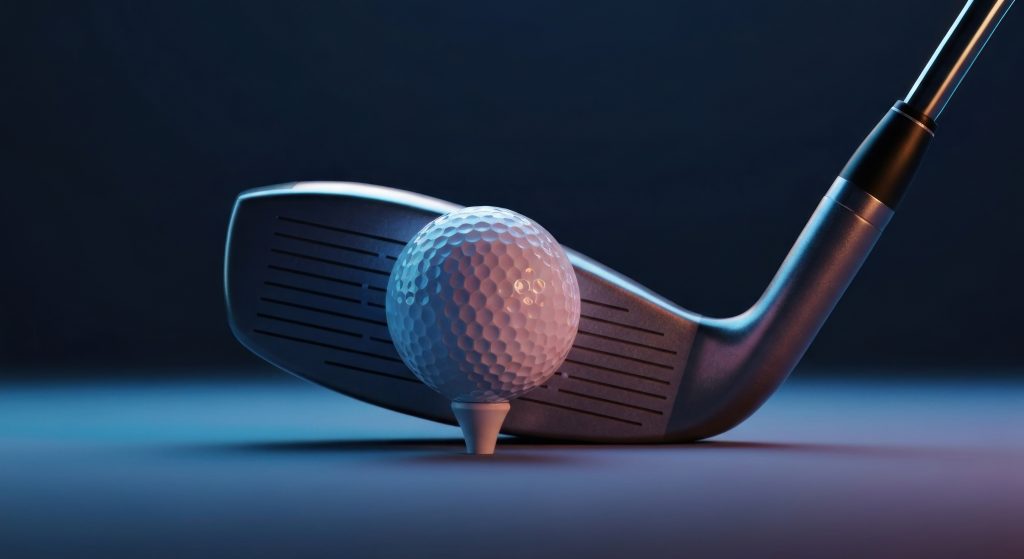
Enter the hybrid, the ultimate shapeshifter of the golf world. By blending the head shape of a fairway wood with the shaft length and loft of an iron, equipment designers created a tool that offers the best of both worlds. Hybrids feature a much deeper face-to-back profile than standard irons. This design choice pushes the center of gravity low and far back from the face, which does something magical for your swing: it launches the ball into the air with minimal effort.

Teeing off with a “Hybrid or Fairway Wood” can be the smart play, especially when accuracy is needed

The beautiful truth about hybrids is their incredible forgiveness. When you mishit a long iron, your hands vibrate, your distance plummets, and your ball disappears into the trees. When you mishit a hybrid, the larger clubhead stability minimizes twisting. Your ball might not reach the exact target, but it stays remarkably online and retains enough distance to keep you out of serious trouble. It turns disastrous misses into perfectly playable shots, saving pars and preventing those scorecard-wrecking big numbers.

Another massive reason for the great iron swap is turf interaction. Traditional long irons require a precise, downward strike that cuts a clean divot. If you hit slightly behind the ball, the iron digs straight into the ground, resulting in a chunked shot that goes nowhere. Hybrids and fairway woods are built with wide, flat soles. They are designed to glide and slide effortlessly across the grass, which means even a slightly imperfect swing will still produce a highly functional result.

This gliding ability transforms how you play from difficult lies. Trying to extricate a golf ball from thick, heavy rough with a 4-iron is an athletic feat that usually ends in frustration. A hybrid cuts through heavy grass like a hot knife through butter, popping the ball out and up onto the fairway. They are so versatile that many creative players even use them for simple bump-and-run chip shots from just off the putting surface, utilizing the wide sole to ensure clean contact.

High-lofted fairway woods are enjoying a major renaissance of their own

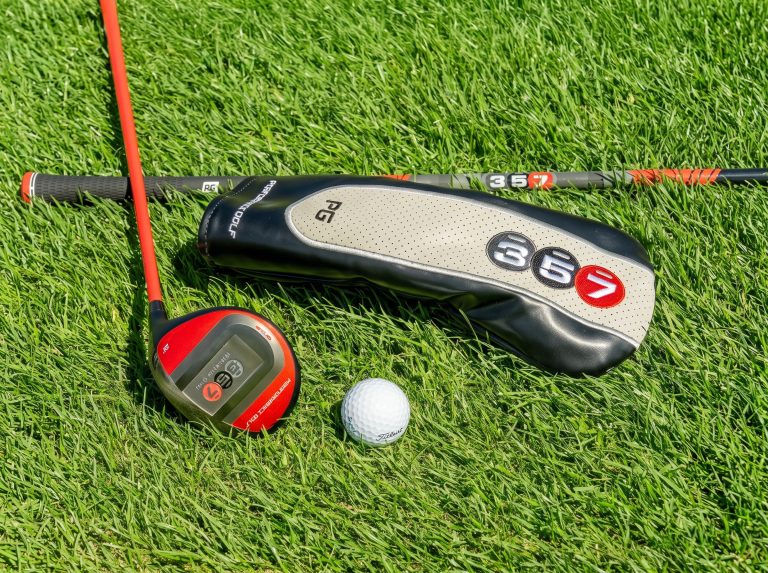
While hybrids have conquered the middle ground, high-lofted fairway woods are enjoying a major renaissance of their own. For generations, golfers rarely looked past the traditional 3-wood and 5-wood. Now, savvy players are adding 7-woods, 9-woods, and even 11-woods to their arsenals. A 7-wood typically carries a similar loft to a 3-hybrid or a 4-iron, but it features a slightly larger head and a longer shaft. This combination creates a sweeping motion that results in a towering, majestic ball flight that lands softly on the green.

Choosing between a hybrid and a fairway wood for your long-iron replacements usually comes down to your personal swing style. If your natural swing is steep and you prefer to hit down on the ball like you do with your short irons, you will likely fall in love with hybrids. If you have a smoother, flatter swing and prefer to sweep the ball off the turf like you do with a driver, a high-lofted fairway wood will give you the confidence you need.

Conclusion:

Ultimately, leaving your ego at the clubhouse door is the smartest strategy you can deploy on the golf course. Even elite touring professionals regularly swap out their long irons for hybrids or specialized woods depending on the course conditions. If the best players in the world are looking for a little extra help to make the game easier, there is absolutely no reason the rest of us should be struggling with outdated, unforgiving iron designs.

Take a close look at your bag before your next round, give yourself permission to accept a little extra help, and enjoy the effortless launch of modern club technology.

Pure Michigan Golf: Five Michigan Golf Properties/Destinations Earn National Recognition in USA TODAY 10BEST Awards

LANSING, Mich. – The State of Michigan, widely regarded as America’s Summer Golf Capital with more than 650 top courses and award-winning resorts, has had five of the state’s top golf properties and destinations awarded among USA Today’s 10BEST Golf Destinations, 10BEST Golf Resorts, and 10BEST Public Golf Courses in the country.

The annual 10BEST Awards highlight the finest experiences across the country, with nominees selected by a panel of industry experts and editors, then voted on by the public.

“Michigan continues to be recognized as a top-tier golf destination in the U.S.,” said Kelly Wolgamott, Vice President of Pure Michigan, part of the Michigan Economic Development Corporation. “With more than 650 public courses, there is a golf experience for every level of play. From the historic and esteemed courses of Metro Detroit to the forests of the Upper Peninsula and the scenic beauty of northern Michigan with sweeping views of the Great Lakes, there’s no place like Pure Michigan for a truly memorable golf vacation.”

Leading the way is Michigan’s Upper Peninsula, which earned the No. 1 ranking among the 10BEST Golf Destinations. Anchored by destinations such as Island Resort & Casino and Bay Mills Resort & Casino, the Upper Peninsula features acclaimed layouts, including Sweetgrass Golf Club, Sage Run Golf Course, Greywalls at Marquette Golf Club, Bay Mills Golf Club, as well as The Jewel and Wawashkamo on Mackinac Island. These courses are known for their dramatic terrain, thoughtful design, and immersive experiences that blend championship golf with the region’s untamed wilderness.

Long celebrated for its rugged natural beauty and better known for outdoor pursuits like hunting, snowmobiling, and its signature pasties, the Upper Peninsula has quietly emerged as one of the nation’s most compelling golf getaways.

Upper Peninsula – Sweetgrass Golf Club

Also earning national recognition is the Petoskey Area, ranked No. 5 among the 10BEST Golf Destinations. Situated along the shores of Little Traverse Bay in Northern Michigan, the region offers a rich collection of 17 courses that cater to players of all skill levels. Among its highlights is Bay Harbor Golf Club, one of the most visually striking courses in the country, featuring holes that run along Lake Michigan’s shoreline, through a quarry, and hardwood forests. Additional standout courses in the Petoskey Area include Belvedere Golf Club, Dunmaglas, Charlevoix Golf & Fitness, Hidden River Golf & Casting Club, Chestnut Valley Golf Club, to name a few, as well as a collection of courses at The Highlands—part of the renowned BOYNE Golf portfolio.

“We are extremely excited that the Petoskey area was recently recognized as one of the 10 Best Golf Destinations in the country”, said Jim Powell, Executive Director of the Petoskey Area Visitors Bureau. “It’s no surprise, with 17 world-class courses located within a 30-minute drive, the Petoskey area needs to be on every golfer’s bucket list. Located on Lake Michigan’s Little Traverse Bay, this region has a long history of golf, starting with the development of some of the first resort courses in Michigan to the award-winning portfolio of courses curated by BOYNE Golf. In addition to golf, the region is well known for its easy access to natural beauty and selection of vibrant communities, including Petoskey, Harbor Springs, Bay View, Bay Harbor, and the Boyne Valley.”

Petoskey Area – Belvedere Golf Club

Among the 10BEST Golf Resorts category, BOYNE Golf stands as Michigan’s sole resort representative. One of North America’s largest golf resorts, BOYNE Golf encompasses three premier lodging properties and 11 championship courses across Northern Michigan. For 60 years, the organization has been a leader in destination golf, offering a blend of award-winning layouts and upscale hospitality.

At the center of its portfolio is Bay Harbor Golf Club, widely recognized as one of the most iconic public golf experiences in the United States. The 27-hole facility features the Links, Quarry, and Preserve courses, each offering a unique landscape—from dramatic lakeshore cliffs to rugged quarry terrain and serene forest settings. The Highlands features five distinct layouts, including The Heather, Arthur Hills, The Moor, Donald Ross Memorial, and the recently introduced Doon Brae par-3 course, offering a diverse and complete golf experience. The third BOYNE Golf property, Boyne Mountain, has two fantastic 18-hole layouts – the Monument and Alpine courses offering outstanding mountainside golf and some of the most spectacular panoramas in the state.

Complementing the golf experience are BOYNE Golf’s premier lodging options, including The Inn at Bay Harbor along Lake Michigan, the Mountain Grand Lodge and Chalet Edelweiss at Boyne Mountain, and the recently transformed Main Lodge at The Highlands. The latter has been reimagined as a boutique hotel inspired by the charm of an English country estate, blending timeless elegance with modern comfort.

“These awards prove why Michigan is known nationally and internationally for offering great golf experiences. It’s an honor to be recognized by USA Today 10BEST, alongside the best golf resort properties in the country,” said Josh Richter, PGA, Senior Vice President of Golf Operations for BOYNE Golf. “Our ranking as the #3 Golf Resort in the United States is a testament to our BOYNE Golf team’s efforts, along with lodging, food, and beverage, who ensure that our guests have the best golf experience when visiting BOYNE Golf.”

Michigan also earned recognition in the 10BEST Public Golf Courses category, with two standout golf courses making the national list. The Cardinal at Saint John’s Resort, located in Plymouth, was ranked No. 6. Designed by Ray Hearn, the course represents the Detroit region’s first high-end public golf development in more than two decades, transforming a former 27-hole layout into a modern championship experience set across 200 acres. Joining it is Black Lake Golf Club, ranked No. 7. Designed by renowned architect Rees Jones and owned by the United Auto Workers, the course is set within a pristine 1,000-acre forest along the shores of Black Lake.

The USA TODAY 10BEST rankings reinforce Michigan’s standing as one of the premier golf destinations in the country. With its diverse collection of courses, award-winning resorts, and unforgettable landscapes—from the shores of the Great Lakes to the forests of the Upper Peninsula—the state offers an unmatched golf experience that appeals to both casual players and seasoned enthusiasts alike.

Visit https://www.michigan.org/golfing

Press release by: Kevin Frisch – Kevin Frisch PR

Why your partner needs a cheerleader, not a swing consultant.

Golf is billed as the “ultimate game for a lifetime,” but for couples, it’s basically an outdoor escape room where the only way out is through four hours of testing your partner’s sanity. Played well, it’s a scenic rolling date; played poorly, it’s just a very expensive way to walk four miles in angry silence. If you want to keep your relationship out of the literal and metaphorical bunker, you have to stop worrying about the scorecard and start worrying about making it to the 19th hole in the same car.

Be a Partner, Not a Pro

The golden rule? Your job is to be a cheerleader, not a swing consultant. When your partner sends a ball screaming into the neighboring zip code, your role is to provide a sympathetic “Tough break, you’ll get the next one” or a very optimistic “Well, at least it’s findable!”

The fastest way to turn a sunny afternoon into a cold war is unsolicited advice. Even if you can clearly see their swing looks like a person fighting off a swarm of bees, do not try to “fix” it on the 6th tee. Instead, be helpful with the boring stuff: rake the sand, hunt for their lost ball in the weeds, and keep the snacks coming.

Why the “Spouse Lesson” is a Death Trap

It’s a tale as old as time: a husband tries to fix his wife’s grip, and suddenly they’re arguing about something that happened in 2014. The emotional baggage of your marriage makes “keep your head down” sound like a personal attack. However, when a PGA Pro says the exact same thing, it’s “brilliant expertise.”

Save your marriage and hire a professional. A pro offers:

Look, unless your last name is Leadbetter, you have no business telling your spouse how to rotate their hips. Trying to coach your partner is the fastest way to end up eating dinner in separate rooms. Do yourself a favor and outsource the criticism to a professional. A Golf Pro isn’t just a coach; they’re a highly-trained marital mediator with a bucket of range balls.

Here is why paying a stranger to judge you is the best investment you’ll ever make:

The Emotional Shield (An Objective Eye): A pro doesn’t have skin in the game. They don’t care that you left the wet towels on the floor or that your mother is coming to stay for a week. When they tell your spouse their swing is “a bit over the top,” it’s a technical correction. When you say it, it sounds like you’re questioning their entire lineage. A pro provides a “Safe Zone” where a slice is just a slice, not a symptom of your failing communication skills.

The Great Equalizer (Neutral Ground): Taking a joint lesson turns you back into a team. Instead of one person playing the “Wise Sensei” while the other seethes with resentment, you both get to be clueless novices together. There is something strangely bonding about watching your partner also struggle to hit a stationary object while a guy in a polo shirt patiently sighs at both of you. It’s much harder to be smug when you’re both chunking it into the same bunker.

The “No-Cry” Zone (Customized Growth): Professionals have seen it all—the tears, the thrown clubs, the broken spirits. They know how to give you drills that actually work without triggering a mid-round existential crisis. They can tailor the torture to your specific physical limitations, ensuring you both progress at your own pace without one person feeling like they’re the “project” while the other is the “pro.” Plus, you’re much less likely to snap, “I’m trying, Linda!” at a man you’re paying $80 an hour.

Make it an Actual Date

Unless there’s a green jacket on the line, stop playing like it’s the Masters. Use the “9 and Dine” strategy: play nine holes (or until you’re tired of each other’s jokes) and head straight to the clubhouse for margaritas. If one of you is a stick-striker and the other is a dirt-shoveler, play a Scramble. Both of you tee off, pick the ball that didn’t hit a house, and play from there. It turns the game into a team effort rather than a competition. You can even add stakes: the loser of the putting contest picks the movie, or the person who hits the most trees has to load the dishwasher.

Ultimately, couples golf is about the walk, the gossip, and the shared trauma of losing six balls in one pond. Leave the coaching to the pros and the ego in the trunk. The fairway is a great place to grow closer—as long as you stay out of each other’s swing path.

Lowering your handicap isn’t about chasing the “perfect” swing—it’s about mastering the 50-yard scoring zone.

That “light at the end of the tunnel” in golf is often just a fleeting glimpse of a breakthrough before the game pulls you back into the frustration of a double-bogey. For most amateurs, golf is a marathon of “almosts”—a collection of spectacular moments that never quite seem to stick.

You know the feeling: that one 280-yard drive that splits the fairway, the pure iron shot that feels like butter, or the 30-foot birdie putt that unexpectedly drops. The real frustration isn’t a lack of talent; it’s that these moments are currently guests in your game rather than residents. If you are tired of your scorecard being a graveyard of “what-ifs,” it’s time for an honest look at how to turn those flashes of brilliance into your new baseline.

The Pragmatist’s Path: Scoring Lower by Next Weekend

If you want to see your scores drop by next weekend, you have to stop practicing like a tour pro and start playing like a pragmatist. The secret to rapid improvement isn’t found in a prettier swing, but in a more disciplined strategy. This “Fastest Result” hierarchy is designed to strip away the fluff and focus on what actually moves the needle.

Play the Percentages, Not the Pins

The quickest way to shave strokes is to adopt a “one-way” miss. While most amateurs play a dangerous game of trying to hit it perfectly straight, seasoned players focus on eliminating one side of the course. By deciding you won’t go left today, you can aim down the left treeline with the confidence that your ball will only move back toward the center, effectively removing “Out of Bounds” from your vocabulary.

Once you reach the fairway, the pragmatist’s focus shifts to the green. Stop “pin hunting” and start targeting the center of the putting surface. Aiming for the middle—regardless of where the flag is tucked—is the single fastest way to turn triple-bogeys into easy bogeys and stress-free par saves. When you do miss the green, keep the “Rule of 12” in mind: use your lofted wedges less often. Learning to “bump and run” an 8-iron is significantly more reliable under pressure than trying to nip a 60-degree wedge off a tight lie.

Stop “pin hunting” and start targeting the center of the putting surface.

Escaping the Ego Traps

To unlock this lower scoring, you must also discard the “ego traps” that plague the average golfer. The most dangerous of these is the “perfect swing” search. If you find yourself scrolling through “swing secret” YouTube videos on a Friday night, stop. A functional, “ugly” swing you trust will always outplay a “perfect” one you don’t.

Similarly, stop treating the driving range like a long-drive contest. Unless you are already a scratch golfer, spending 90% of your time hitting drivers is a wasted effort; the game is won or lost from 100 yards in. Finally, abandon the hero shot. If you find yourself stymied behind a tree, take your medicine and punch out. That “one-in-ten” miracle shot is exactly what keeps your handicap high.

Spending 90% of your time hitting drivers is a wasted effort; the game is won or lost from 100 yards in.

Drills for Pure Contact

To support this strategic shift, your physical practice should move away from rigid mechanics and toward pure contact and effortless tempo.

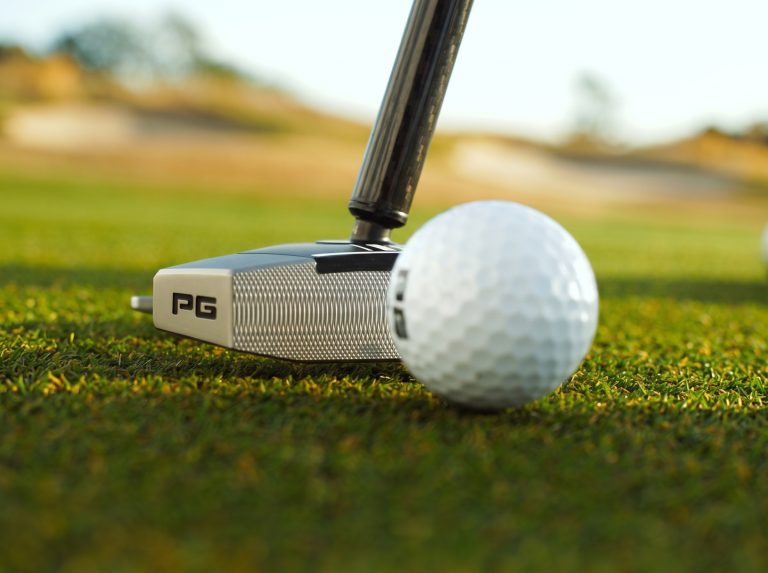
On the putting green, use the “Gate” Drill to fix off-center strikes. By placing two tees just wider than your putter head and stroking the ball through them, you force the face to stay square. This creates the center-face contact necessary for predictable distance control. At the range, find your rhythm with the “Feet Together” Flush. By hitting balls with your feet touching, you are forced to find your natural center of gravity. Any violent lunge will send you off-balance, leaving you with no choice but to develop a smooth, rhythmic rotation.

The Insightful Truth

At its core, golf isn’t a game of “great shots”—it’s a game of “better misses.” The moment you trade the pursuit of perfection for the pursuit of functionality, that light at the end of the tunnel finally becomes the fairway.

In 2026, the blueprint for success is a strategic mastery of the 50-yard “Scoring Zone.” By aiming for a 50% up-and-down rate and prioritizing center-of-the-green targets, you replace high-risk hero shots with a systematic approach to lower scores.

Ready to sharpen your strategy?

Become a Golf Tips Premium member today at GolfTipsMag.com and start scoring like a pro.


FOR IMMEDIATE RELEASE:
May 1, 2023

CONTACT:
Rich Katz
rkatz@katzstrategy.com
703.283.4852

On Course Foundation Kicks Off Annual Fundraising Campaign
During Military Appreciation Month

(ORLANDO, Fla.)On Course Foundation kicked off its annual fundraising campaign during Military Appreciation Month (May), prompting wounded, injured and sick veterans to use golf as a vehicle for physical and mental recovery, and harvest newfound confidence into careers in golf.

Corporate and individual contributions are earmarked to expand On Course Foundation’s impact across America. The organization currently conducts free educational programs in 15 regional markets for Service men and women develop golf business and golf playing skills.


Apollo Global Management, Barclays, Charles Schwab, CSX, , , Callaway, Clubessential and Summit Golf Brands are among the On Course Foundation sponsors saluting the military, the game of golf and vastly improving lives which otherwise would have spiraled downward.

“Golf is a powerful tool during the rehab process and for a lifetime,” says John Simpson, Founder and Chairman of On Course Foundation. “There are countless psychological and physical difficulties in assimilating back into society, and golf eases transformations into productive family, professional, social, financial and athletic lives.”

Thousands of On Course Foundation members have benefited from the organization’s golf education and career services. Exhibiting profound changes of character, they are placed in full-and part-time jobs with, , Invited, Marriott Golf, TaylorMade Golf, Topgolf Callaway Brands, and TPC Network , as well as at golf courses, country clubs and resorts coast to coast.

Many On Course Foundation “members” never picked up a golf club before introduction to the organization. Through sheer determination, they often achieve single-digit handicaps and qualify for the annual Simpson Cup pitting U.K. and U.S. team in Ryder Cup-style matches. The 2023 edition will be played August 28-31 at Royal Lytham and St. Annes Golf Club.

A poignant video about On Course Foundation and the Simpson Cup, produced by Charles Schwab, is here.

In 1999, Congress designed May as Military Appreciation Month, a time to pause to remember the sacrifice and service of past and present members of the Army, Navy, Air Force, Coast Guard, Marines, Space Force and National Guard. May also marks Military Spouse Appreciation Day and Armed Forces Day. There are more than 4.5 million wounded, injured and sick Service people in the U.S.

About On Course Foundation

With offices in Orlando and London, On Course Foundation helps wounded, injured and sick military veterans use golf to facilitate their transitions back into society. Founded in 2010 by John Simpson – former business manager to Nick Faldo, Vijay Singh, Bernhard Langer, Nick Price and winners of 17 major tournaments – the organization breathes newfound confidence into more than 2,000 members. Education focuses on myriad facets of embarking on a career in golf with part- and full-time job placements at top golf companies, golf courses, clubs and resorts. Many members were first introduced to golf by On Course Foundation where they learned playing skills, overcoming lost limbs, mobility, mental acuity and other physical and psychological debilitation. On Course Foundation’s pinnacle event is the annual Simpson Cup that pits 13-person teams from the U.S. and U.K. against one another in Ryder Cup-style matches with many competitors amazingly carrying low, single-digit handicaps.

More information: oncoursefoundationusa.org, info@oncoursefoundationusa.org, 407.529.2674

[ngg src=”galleries” ids=”22″ display=”basic_thumbnail” thumbnail_crop=”0″]When Lisa O’Hurley was a featured guest on the ‘Women of Golf’ podcast in late June 2021, her then six-months-young LOHLA SPORT brand was relatively unknown and untested.

She exuded confidence, but one never knows how positive (or negative) feedback and how rapid (or slow) customer adoption will be. 

Lo and behold, and thanks to O’Hurley’s perseverance and impeccable sense of style, LOHLA SPORT is now and undisputedly the hottest premium ladies’ golf apparel line across America.

Coordinated tops, bottoms, skorts, outerwear and accessories seem to be popping up proverbially everywhere on and off the golf course.

O’Hurley’s latest masterpiece is the new “Lavish Summer Locales” collection, appropriately named after high-class, tropical destinations known for converging swanky fashion and active lifestyles: 

  • Ibiza – Inspired by golf legend Annika Sorenstam with part proceeds benefiting The ANNIKA Foundation, dramatic lemon, black and white designs are elegantly adorned with stars, stripes and solids
  • Amalfi – Features lilac, the fashion color of the season, alongside white and navy with styles accentuated by tasteful leopard and houndstooth prints
  • Tropez – This bright collection group highlights blueberry, appletini green and sunset orange, including a wavy print, emitting a beach feel while on the golf course
  • Monaco – All-American look with a pinch of French beret in navy, white, red and blueberry that’s spot on for Memorial Day, Independence Day and Bastille Day

“Lavish Summer Locales styles make ladies feel great and smile,” says O’Hurley “Warmer weather should be met with fashionable, stylish, playful and classy outfits, and that’s what LOHLA SPORT accomplishes.”

Adding to the Lavish Summer Locales fun is new, throwback “Her Name was LOHLA, She was a Showgirl” T-shirt and hoodie that pays homage of Barry Manilow.

Then there’s the brand’s super popular The Golf Fitness Pull-On Pant and The Very Pant.  These two staples represent a comfortable-chic, made-for-play, “Golfleisure” aesthetic just like Lululemon’s “Athleisure” fanaticism.

All LOHLA SPORT styles are rooted in colorful, on-trend European designs with feminine Los Angeles flair.  Styles are XXS to XXL with flattering yet not overly sexy cuts and made of fine-quality fabrics sourced worldwide. 

What a difference 18 months makes.  LOHLA SPORT is here to stay – and then some.  As such, O’Hurley and her huge following are all smiles.

RICH KATZ
Founder & CEO
703.283.4852
rkatz@katzstrategy.com
www.katzstrategy.com


While some associate golf with retirement and others think of it as a hobby that’s quite expensive, one thing is for sure: this sport is very difficult to master, and learning it can be quite a challenge. Learning how to perfectly hit the ball requires a lot of physical coordination, as well as plenty of concentration. This is why golf courses are so remote and have such a calm and relaxing atmosphere. However, there are over 55 million players in 206 countries around the world, which speaks volumes about the popularity of this great sport, despite the often frustrating nature of grasping only the basics.

Golf is a sport that’s suitable for people of all genders and ages, although the vast majority of players are men. According to the National Golf Foundation, in 2020, nearly 25 million individuals played golf on a golf course in the United States. There are approximately 15,500 golf courses throughout the country, with Florida ranking first as the state with the largest number. Veterans are one of the diverse and numerous demographics that play this sport, and they even have their own group, by the name of Veteran Golfers Association, which consists of over 9,100 members at the moment. 

How Mark, a Navy Veteran, Discovered Golf as the Perfect Sport for Him

Mark, a 67-year-old man from New Orleans, Louisiana, who served as a pipefitter in the U.S. Navy between 1973 and 1989, is one of the myriads of veterans who now struggle with the aftermath of asbestos exposure. He was diagnosed with asbestosis, a very serious chronic lung disease, in the spring of 2002. When James, a fellow veteran and a victim of asbestos exposure himself, suggested playing golf to Mark in 2005 as a way to relieve his shortness of breath and chest pain, the idea sparked his interest right away. As a result, he began looking for golf courses in his area and found multiple in Lake Charles, a city very close to his home. 

Naturally, the next step for the two veterans was learning as much as possible about the necessary golf equipment they had to purchase so as to begin playing. They first started looking for clubs, and each bought a driver, a 3-wood, a putter, a 5 iron, a wedge, a 7 iron, as well as a 9 iron, which are recommended for beginners. Furthermore, they made sure to have all the required club components, such as clubheads, shafts, and grips. Needless to say, Mark and James did not forget the tees and the golf balls. As for the golf bags, they opted for carrying bags, as they planned to move around the golf course exclusively by walking in order to get as much exercise as possible. Lastly, they invested in some good pairs of golf shoes, which are extremely important to both professional and beginner golfers.

Before embarking on this exciting adventure, which had already made Mark and James feel better mentally, they made the wise choice to take golf lessons to have a clear starting point in this journey. The duration of the golf lessons was about 6 months, at the end of which the veterans became decent players and were able to enjoy this rewarding sport by themselves. Both learned the basic golf techniques, such as the different types of shots, including approach shot, drive, chip, and pitch, how to practice and master their swing, but also more advanced tips, like holding the club from the side and not from underneath and ensuring that the clubface opens on the backswing.

Encouraging Other Sick Veterans to Try Golf

Having witnessed so many fellow veterans pass away due to the horrible diseases asbestos exposure causes, Mark and James came up with the idea of proposing veterans in poor health from his area join the two in playing golf. They thought that it would provide these brave people with the opportunity to connect with other veterans, as well as other golfers, have fun outdoors, and ease their symptoms. Consequently, Mark went on Facebook and got in touch with 4 other veterans from Louisiana who were willing to play golf with him and James.

Soon, the two began showing their new acquaintances how to play, and it wasn’t long before a strong bond formed between the six golf buddies. The time everyone invested in striving to learn how to play golf reasonably has definitely paid off, as every member of the new team has gone from using their short irons successfully to striking through their 5 irons impressively over the course of almost one year. Right now, the goal of the six golfer veterans, who still consider themselves beginners, is to master hitting a 7 iron 170 yards down the fairway. 

As the years passed, the golf buddies did not even notice that they began forming a united, inseparable team whose members relied on the company of each other to make the burden of struggling with a serious disease less heavy. In addition to meeting up to play golf in Lake Charles, they soon began gathering for other outdoor group activities, such as barbecues, hiking, and fishing. What makes the story of Mark and his fellow veteran friends even more heartwarming is that, because they would show up at Lake Charles to play golf at least once a week, other regular golf players in the area noticed their team. This led to Mark and his golf buddies expanding their circle of friends and receiving emotional support from the healthy people as well, which is essential when you have to resign to your incurable disease.

About the Author

As a procurement clerk, Eddie Perry is responsible for mailing client correspondence, visiting incapacitated clients at their location to provide assistance with their paperwork, and taking care of supplies. He has been part of the legal team of Environmental Litigation Group, P.C. for over 18 years. The law firm specializes in toxic exposure cases and is located in Birmingham, Alabama.


FALDO & FRIENDS™ CELEBRITY GOLF AND TENNIS TOURNAMENT TO BENEFIT CITY HARVEST

Monday, August 23, 2021
Alpine Country Club, Demarest, New Jersey

Hosted by:
Sir Nick Faldo
Golf Chair, Geoffrey Zakarian
Tennis Chairs, Kerry Heffernan & Simon Kim
Culinary Chair, Alex Lee
Executive Producer, Herb Karlitz

The event will take place on Alpine Country Club’s beautiful and challenging A.W. Tillinghast course. Foursomes at the highest level will be joined by a chef, celebrity or sports personality for the round. Celebrity chefs will also join players on the tennis courts for drills and games. Throughout the day, celebrity chef menu items will be served on the course and on the courts. Guests will enjoy a breakfast chat, swapping stories and Q&A on this year’s golf season with Sir Nick FaldoIan Baker-Finch, and Frank Nobilo. The inaugural event featured Chefs Daniel Boulud, Michael Symon, Ming Tsai, and Todd English, among many more incredible personalities. The 2019 event was also featured on an episode of Days & Knights with Sir Nick, which aired on CBS Sports Network, and this year, the tournament will be featured in a special episode of Faldo Formula on the CBS Network, tentatively scheduled immediately before the telecast of the third round of the 2022 PGA Championship. In 2019, the inaugural event raised enough to feed more than 12,000 New Yorkers in need for a month!

Celebrity Participants

Michael Anthony
Ian Baker-Finch
Emma Bengtsson
Daniel Boulud
Kenny Callaghan
Josh Capon
Len Cariou
Cesare Casella
Michael Cressotti
Michael Dorf
Josh “Shorty” Eden
Sir Nick Faldo
Andrew Friedman
Michael Ginor
David Green
Eric Haugen
Kerry Heffernan
Judy Kaye
James Kent
Simon Kim
Alex Lee
Todd Martin
Ed McFarland
Frank Nobilo
Reilly Opelka
Dominique Paulin
François Payard
Alfred Portale
CC Sabathia
Marcus Samuelsson
David Shim
Ron Straci
Håkan Swahn
Carlos Swepson
Dale Talde
Geoffrey Zakarian


*Talent subject to change

We hope you will join us on Monday, August 23 for a wonderful day of sporty fun and delicious food!

Thank You to Our Sponsors

To learn more, please visit cityharvest.org

0
0
Your Cart
Your cart is emptyReturn to Shop