


 With new ownership and a new marketing and sales gameplan in place — including demo, trade-up and factory direct distribution — Ben Hogan remains committed to producing the best-performing and best-feeling golf equipment in the world. Says company spokesmen, “By eschewing the traditional golf equipment distribution model, the company minimizes costs and eliminates retail mark-up and is able to offer the high-quality Ben Hogan products to serious, avid golfers at factory-direct prices. They’ve long concentrated on their iron lines, and they still do — with wedges and hybrids filling out an impressive product plan. The Ben Hogan PTx and Edge irons lead the way.
PTx IRONS
PTx irons are, says the company, “the most technologically advanced Hogan irons ever.” Each iron is co-forged from Carbon 1025 steel. The long irons incorporate a heavy tungsten insert while the shorter irons have a titanium insert allowing for the CG to be optimized in each clubhead. This “co-forging” process creates a Linear Center of Mass consistently positioned throughout the set. The PreciseLoft System provides for uniform four-degree loft separation between all irons. This transitional iron is designed for the serious player who is gaining skill and an accomplished player looking to up his game. Check the price on Amazon!
EDGE IRONS
 The original Ben Hogan Edge Iron was introduced thirty years ago. Golfers played the first Edge Iron because it looked and felt like a player’s iron but offered the same forgiveness and playability of a less attractive, investment cast, “game improvement’ iron. The new Ben Hogan Edge is engineered with this same principle. Golfers can actually feel what they are doing right or wrong at impact. However, the new Ben Hogan Edge Iron features innova-tive technology to help minimize the effect of mis-hits. First, to achieve more forgiving perimeter weighting, every Edge Iron has two separate forged parts. The hosel and back frame are forged first, then the forged face is la-ser-welded into place. The hollow head construction also allows the thickness of the club face to vary — the longer irons have a very thin, yet strong face for exceptional distance, even on shots struck on the toe or heel. The mid and short irons incorporate a progressively thicker face design which provides for a solid feel on scoring shots. On average, the Ben Hogan Edge Irons are 12 percent larger than PTx Irons. Shots struck closer to the toe or heel, or high or low on the face will perform much like they were hit on the sweet spot. They are also slightly off-set, while Enhanced V-Sole Technology benefits players of all skill levels. Edge irons are available in mid-high lofts preferred by the majority of Ben Hogan iron players.

 Cleveland Golf’s Launcher CBX irons are back with powerful technologies that help avid golfers experience faster ball speeds, more distance, and added control. Optimized for dedicated golfers who prefer forgiving clubs that launch the ball high and straight.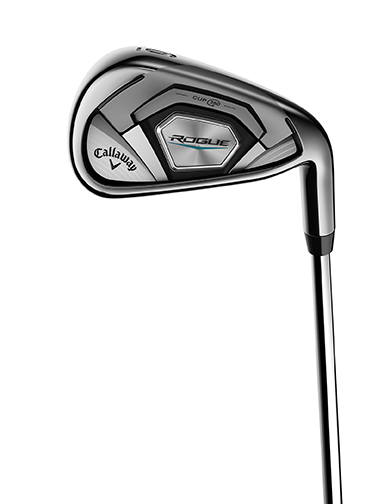
 Callaway’s new Rogue irons introduce new technologies that riff off the Rogue driver and fairway metal lines, with a few design twists of their own.
 In the Ping G700 iron, engineers put a high priority on creating an iron that offers power and forgiveness by leveraging the advantages of a hollow-body design and a thin, maraging steel face, creating PING’s longest, highest-flying iron to date.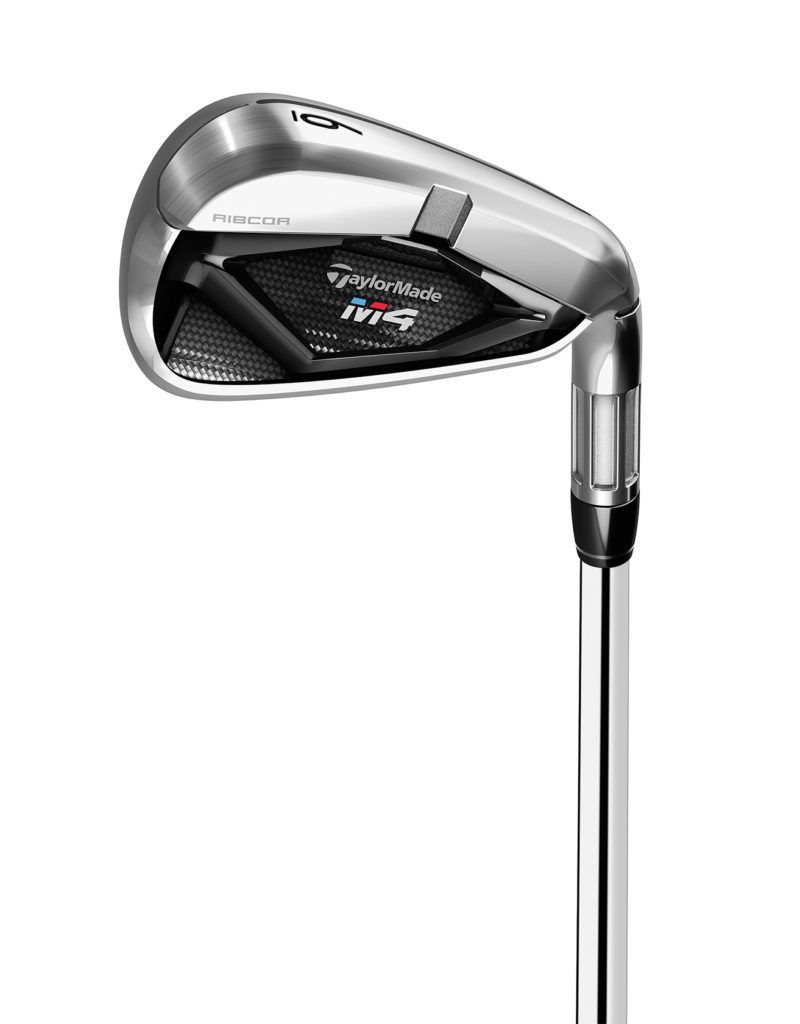
 TaylorMade’s M3 and M4 irons each feature what the company calls “RIBCOR’’ technology that provides a new internal support system designed specifically to work with TaylorMade’s “Face Slot Technology’’ to achieve increased ballspeed across the entire face.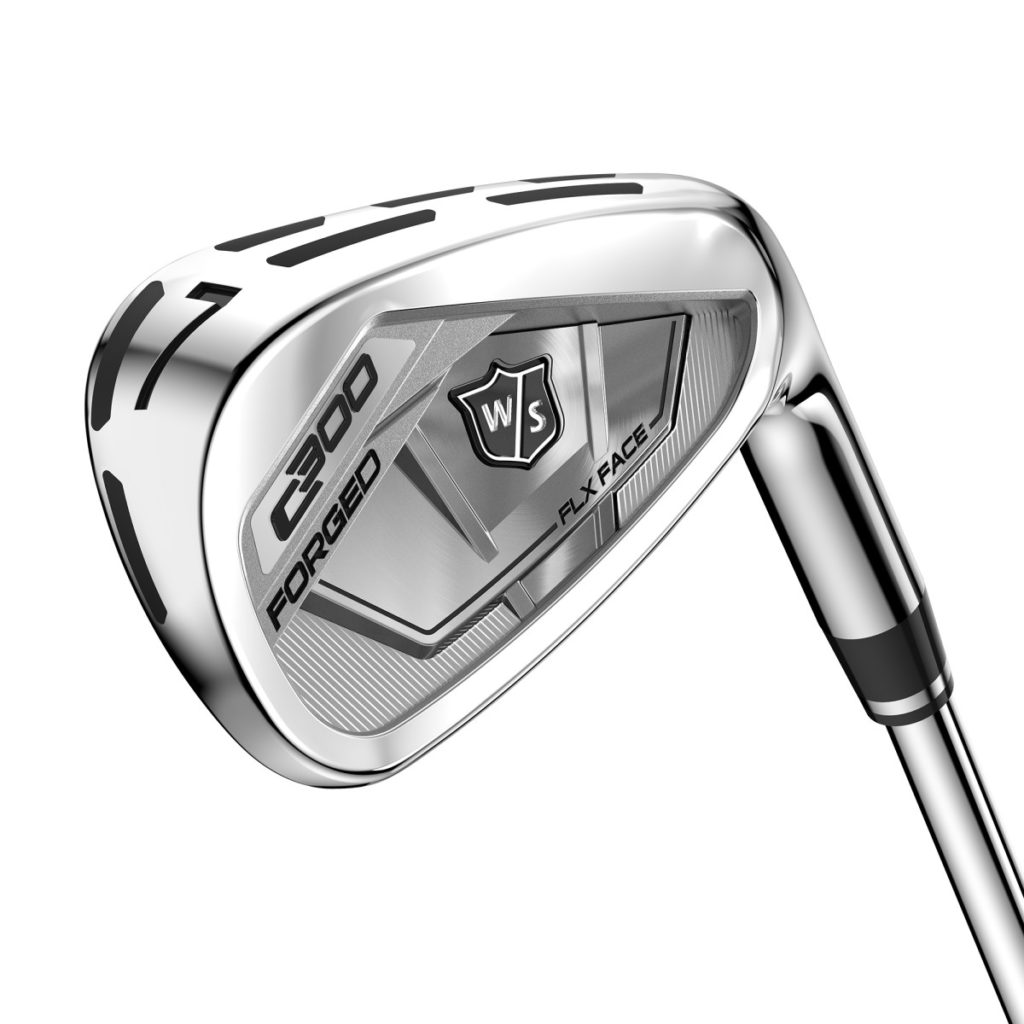
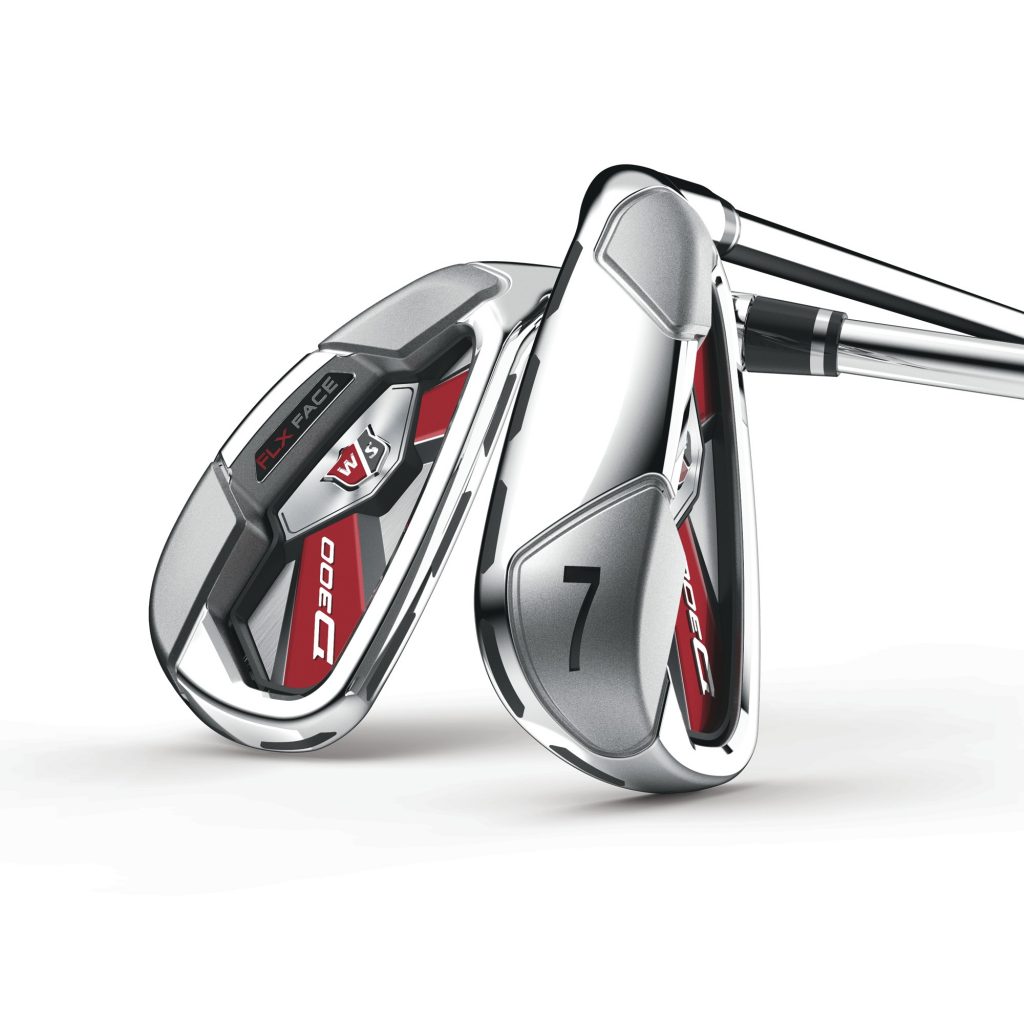
 At the core of the Wilson D300 Irons innovation — what helps make them one of the most popular game-improvement iron lines in golf — is FLX FACE technology that minimizes contact points between the thin face and clubhead to generate greater speed and distance. Power Holes, literally through-holes surrounding the entire face, provide room for the face to flex and for weight to be moved to the heel and toe to maximize MOI and forgiveness. They are filled with TE031 Urethane for improved feel, with a crisp and recognizable sound of distance and accuracy.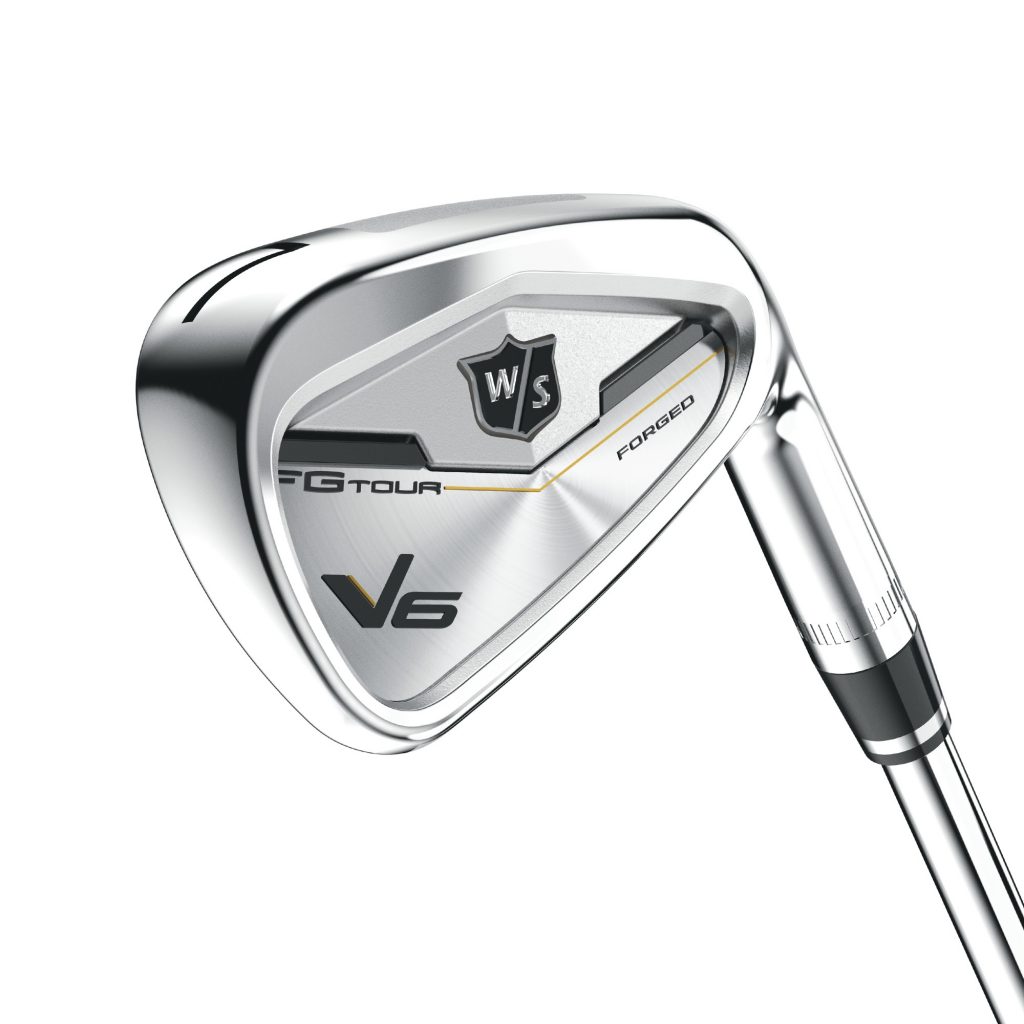
 Wilson Golf often doesn’t get the recognition as its larger competitors, but that doesn’t diminish its products, particularly its irons, which created quite the buzz at the PGA Show’s demo day earlier this year. The Wilson FG Tour V6 irons are testament to the company’s iron heritage with modern technology. Wilson says the V6 irons combines playability with Tungsten sole technology to control mishits. While the FG Tour V6 is a cavity-back design forged from 8620 steel throughout, Wilson says the design uses multiple materials to create better performance, the most significant being 20 grams of tungsten weight in the middle and long irons that help add more perimeter weighting for better feel and forgiveness. The short iron (8-PW) do not have the added tungsten weights.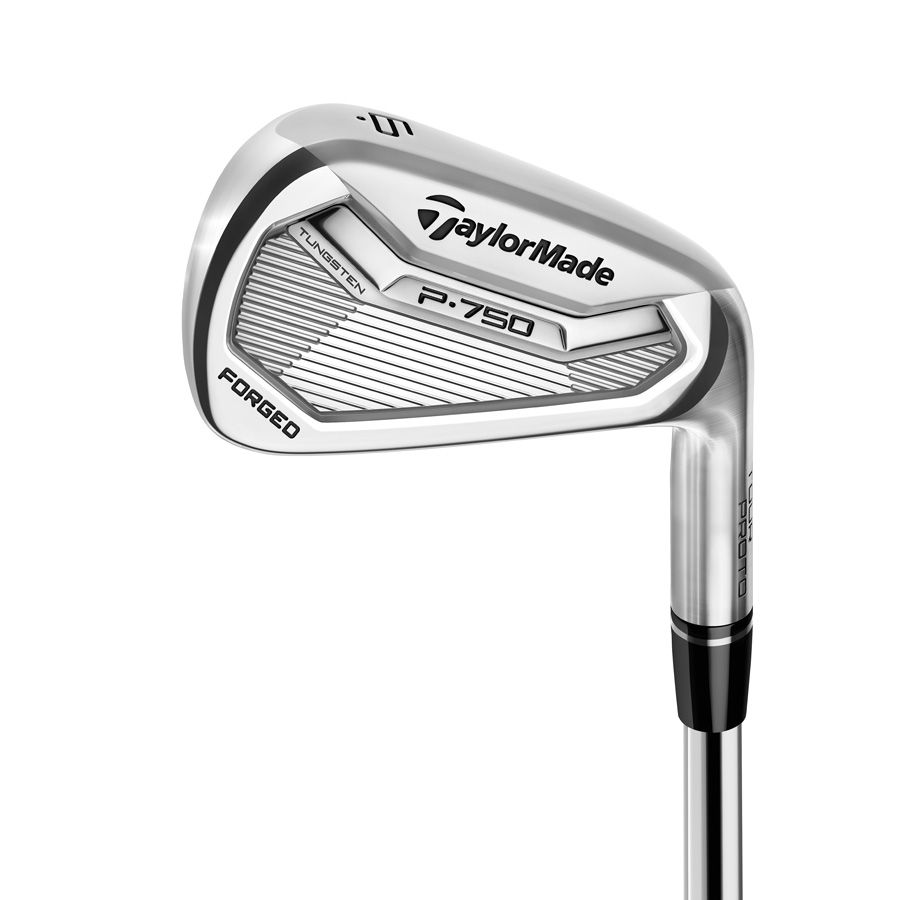
 TaylorMade’s P750 Tour Proto irons found their way into Jason Day’s bag and made their public debut at the PGA Show. The P750 Tour Proto irons are true forged blades, each with a shallow cavity, and made of 1025 carbon steel. Each iron is created using a new, multi-step forging process that culminates with a “high ton-nage’’ strike, three times more forceful than a standard forged press. This process ensures precise, near-net head shaping requiring minimal hand polishing, resulting in a pure “players’’ iron with soft feel. The face and grooves are CNC milled for high precision, as is as the back cavity of the iron. TaylorMade says the extra step of milling the cavity ensures that the face thickness, center of gravity) position and weight distribution are maintained to the highest standard. P750 irons feature a thin topline (thinner than the P770) and minimal offset for a blade-like look preferred by our Tour players. TaylorMade says the P750 irons each incorporate a narrower sole and tighter leading edge for improved turf interaction. For the P770, engineers deliver a true Tour iron for highly skilled players while simultaneously providing playability improvements that create a great playing experience for the better player. P770 also features a unique forged 1025 carbon steel face/hosel and precision-milled faces and grooves along with 70-gram tungsten back-bar weighting in the mid and long irons and a one-piece forged cavity back construction in the short irons for added feel and control. It has higher MOI for ball speed consistency, thus more forgiveness, and has a lower center of gravity which creates a higher launch angle than its predecessors.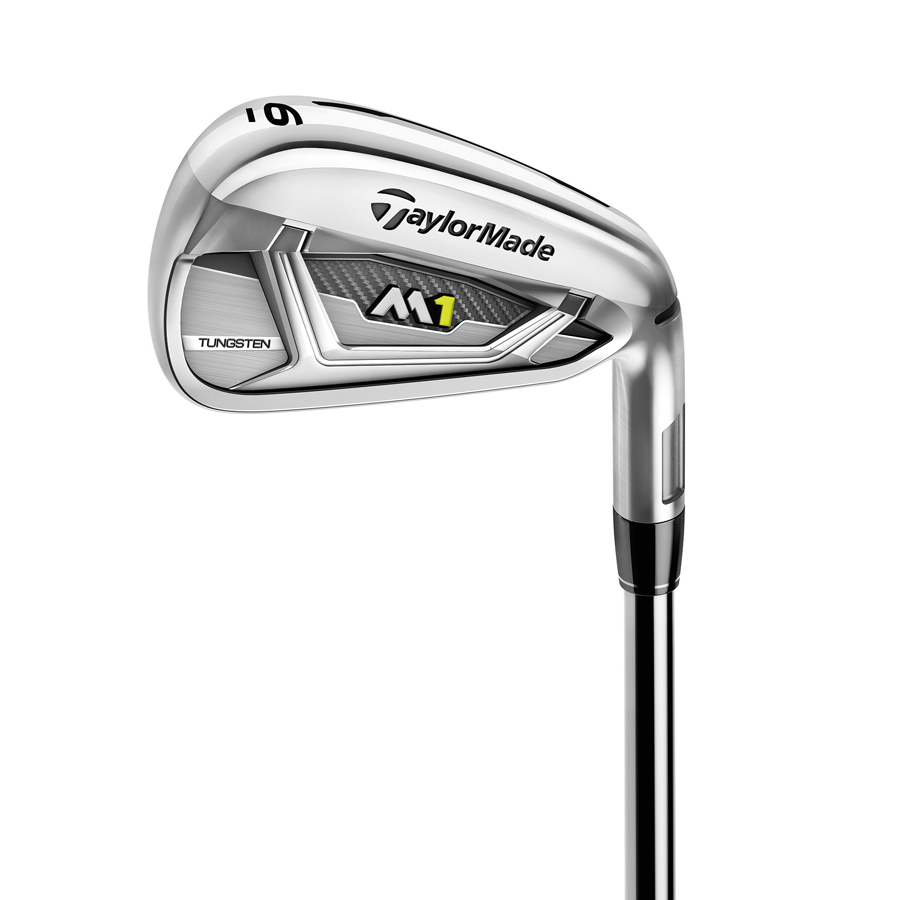
 Complementing the reworked M2 irons are the all-new TaylorMade M1 irons, an entirely new line that completes the M family. The intention was to include the speed, forgiveness and play-ability of the M2 but deliver it to the player who prefers a slightly more compact look along with additional control and workability. A tungsten weighting system allows for more freedom to create the shapes needed without sacrificing low-CG, COR or MOI. They removed weight high in the clubhead, utilizing 15-gram high-density Tungsten added in the toe-side sole of the 3 through 7 irons to lower and center the CG and increase MOI. TaylorMade’s proprietary Face Slots are designed to increase flexibility at the bound-ary of the clubface to improve consistency of ballspeed on off-center impacts. This provides maximum ballspeed, higher launch, improved consistency and dispersion on all shots. The new Speed Pocket features a front wall that has been reduced 33% in thickness to promote increased face deflection. The fin badge works with Face Slots to dampen unwanted low-frequency, long duration sounds.


