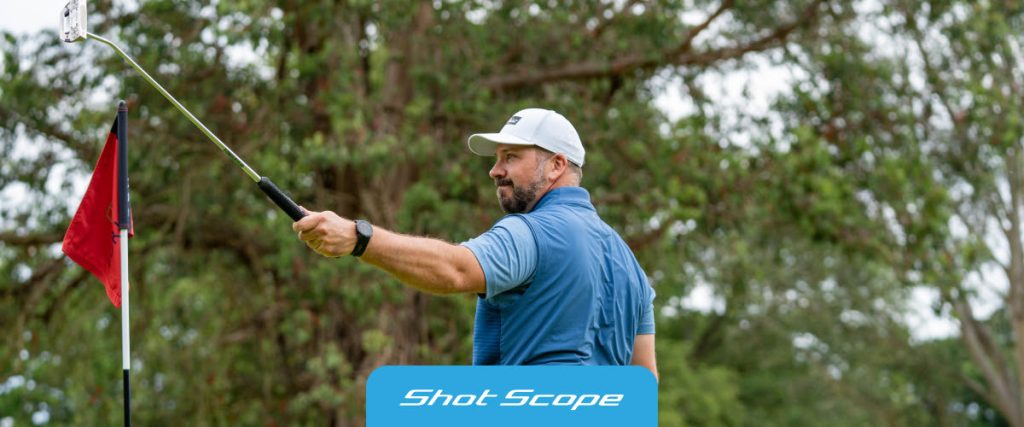
What every amateur can learn from playing with the pros.
Step onto the first tee of a PGA Tour Pro-Am on a Wednesday morning, and the contrast is immediate. On one side of the tee box stands a touring professional—calm, methodical, and executing a deeply ingrained routine. On the other side stands an amateur—usually a single-digit handicap who crushes it at their home club—visibly vibrating with nerves, gripping the club too tight, and swinging out of their shoes.
Having spent over three decades on lesson tees and inside the ropes, I’ve observed countless Pro-Am groupings. The most striking takeaway is rarely the difference in raw talent or ball speed. Instead, the true chasm between the touring professional and the weekend warrior lies in course management, emotional regulation, and process.
Whether you are prepping for a club championship or just trying to win your Saturday morning Nassau, adopting the mindset of a Tour pro during a Pro-Am will fundamentally lower your scores. Here are the four critical lessons every amateur must absorb from playing alongside the world’s best.
1. The Pre-Shot Routine is an Impenetrable Fortress
When an amateur gets nervous, their brain speeds up. They rush their practice swings, quicken their setup, and fire away before they have truly committed to the shot. The underlying thought is: Let’s just get this over with. Tour pros do the exact opposite. When pressure mounts, they retreat into their pre-shot routine like a fortress. Watch a pro in a Pro-Am: they process the yardage, feel the wind, visualize the shot shape, and step into the ball with the exact same cadence every single time, regardless of whether they are hitting a wedge on a quiet Tuesday or a 4-iron on Sunday afternoon.
The Monday Reset: You do not need Tour-level talent to have a Tour-level routine. Build a 15-second sequence that never changes. Two practice swings, step behind the ball to pick a target line, step in, look at the target twice, and pull the trigger. This routine is your anchor when weekend nerves try to pull you off course.
2. Aiming at the Pin is a Sucker’s Game
Amateurs play “hero golf.” If they have a 7-iron in their hands and the pin is tucked three paces from a water hazard on the right, they aim at the flag. They play for their 1-in-10 perfect strike, completely ignoring the catastrophic penalty for a marginal miss. Tour pros play a game of calculated geometry. They rarely aim directly at tucked pins unless they have a wedge in hand. Instead, they aim at the fat part of the green, or a specific quadrant that leaves an uphill putt. They play for their dispersion pattern, ensuring that a slight mishit still finds the putting surface or leaves a highly manageable up-and-down.
The Monday Reset: Stop playing for the perfect shot and start managing your misses. Divide every green into quadrants. If the pin is tucked behind a bunker, aim 20 feet away to the safe side. Taking double-bogey out of play will lower your handicap faster than hunting for occasional birdies.
3. Effortless Power Trumps Powerless Effort
Stand on a Pro-Am tee box, and you will hear a distinct difference in the sound of the strike. Amateurs often equate distance with violent physical effort, swinging at 110% capacity, coming out of their posture, and producing glancing blows off the heel or toe. The pro swings at a controlled 80% to 85% of their maximum capacity. Their power doesn’t come from aggressive lunging; it comes from impeccable sequencing, maintaining a stable spine angle, and delivering the clubface flush to the center of the ball. In golf, center-face contact at 90 miles per hour will always travel further and straighter than an off-center strike at 105 miles per hour.
The Monday Reset: Dial back the violence. During your next range session, focus entirely on balance. Swing at a speed that allows you to hold your finish flawlessly for three full seconds until the ball lands. You will likely find that backing off your swing speed actually increases your distance because your smash factor (center contact) drastically improves.
4. The 10-Yard Emotional Flush Rate
Amateurs carry their mistakes with them. A chunked wedge on the 4th hole leads to a slammed club, muttered cursing, and lingering frustration that bleeds into the 5th tee shot. One bad swing frequently spirals into a ruined front nine. Tour pros have a remarkable ability to compartmentalize. They hit terrible shots—fats, thins, and wide rights—even in tournament play. The difference is their “flush rate.” A pro might allow themselves five to ten yards of walking off the tee to be visibly annoyed. Once they cross that imaginary line in the fairway, the previous shot ceases to exist. They are entirely present for the next calculation.
The Monday Reset: Implement the 10-yard rule. You are allowed to be angry about a topped 3-wood, but only until you put the club back in the bag and take a few steps down the fairway. Golf is a game of managing mistakes. The player who accepts a bogey and resets their mind immediately is the player who prevents that bogey from becoming an eight.
The Takeaway
Stop trying to buy a Tour pro’s swing and start stealing their mindset. The true gap between professionals and amateurs isn’t raw talent—it’s an unwavering commitment to process. You can dramatically lower your scores by adopting four Tour-level habits: a bulletproof pre-shot routine, smart target selection, a controlled 80-percent swing effort, and the emotional discipline to instantly flush bad shots before they ruin your round.