October 11, 2026

game improvement

Adjust Your Swing, Equipment, and Strategy to Play Your Best Golf All Autumn Long.

As the humid haze of midsummer fades into crisp morning breezes and vibrant foliage, golfers everywhere face an annual crossroad. It is easy to view autumn as the sunset of the golf season—a time when clubs start gathering dust in the garage and tee times become an afterthought. Yet ask any seasoned player, and they will tell you the exact opposite: fall is arguably the absolute best time of year to play. The fairways are firm, the air is refreshing, and the courses offer breathtaking backdrops.

To make the most of this golden season, you do not need a complete swing overhaul. You simply need a slight shift in mindset, a few smart equipment adjustments, and a willingness to embrace the changing elements.

Riding the Momentum: Don’t Put the Game on Cruise Control

By late summer, most golfers have established a rhythm. Your tempo is dialed, your contact is consistent, and you have built up valuable course muscle memory over months of regular play. The biggest mistake players make right now is pulling back on their schedule just as their game peaks.

Vibrant autumn foliage frames a pristine green, showing off fall’s best scenic course conditions.

To keep that momentum rolling, rethink how you structure your golf week. If daylight savings time or cooler evenings cut into your post-work nine holes, shift your focus toward quality practice rather than full rounds. A brisk 45-minute evening session focusing on short-game touch or wedge distance control keeps your hands sensitive and your feel sharp. When weekend rounds do arrive, you will step onto the first tee feeling warmed up and ready, rather than trying to shake off a week’s worth of rust.

The Cold Hard Physics of Cold Weather Golf Balls

One of the most noticeable differences in autumn golf comes down to simple physics and ball compression. Cold air is denser, creating more drag on the ball in flight. At the same time, cold weather affects the golf ball itself: lower temperatures cause the core material of the ball to firm up, making it feel harder off the clubface and reducing core spring energy.

Switching to soft, low-compression balls maintains optimal feel and distance as temperatures start dropping.

How to Choose the Right Ball for Fall Conditions:

1. Drop to a Lower Compression Rating: If you normally play a firm tour-style ball (like a Titleist Pro V1x or TaylorMade TP5x), consider switching to a softer, lower-compression model (such as a Titleist AVX, Callaway Chrome Soft, or Srixon Soft Feel). A lower-compression ball compresses more easily under cold temperatures, helping restore felt feel off the club and maximizing distance when swing speeds naturally slow down slightly.

2. Keep Your Balls Warm Before Teeing Off: Keep a couple of golf balls in your pants pocket between holes. Body heat helps maintain the core temperature of the ball, ensuring optimal energy transfer at impact.

3. Expect Less Distance Overall: Combine denser air with firmer ball reaction, and you will lose about 2 to 3 yards for every 10-degree drop in temperature. Adjust your expectations and club selection accordingly.

Reading the Elements: Playing Smart in Cooler Air

Transitioning to fall golf requires accepting one fundamental physics rule: cold air is denser than warm air, and golf balls simply do not fly as far. Add in extra layers of clothing that slightly restrict your turn, and you can expect to lose anywhere from half a club to a full club in distance.

Wearing cozy layers maintains smooth swing tempo during a crisp autumn session.

Instead of trying to swing harder to force your midsummer yards—which usually leads to tense, off-center hits—club up generously. If you normally hit a 7-iron from 150 yards, pull a smooth 6-iron. Focus on a relaxed, effortless rhythm. Additionally, pay close attention to turf conditions. Autumn morning dew leaves fairways damp, meaning less roll on your drives, while afternoon leaves can hide a ball that strays just a few yards off the fairway. Playing target golf and favoring accuracy over raw distance will keep your scorecards clean.

Two Simple Fall Swing Fixes to Take to the Range

While you shouldn’t overhaul your mechanics mid-season, fall is the ideal time to refine a couple of low-effort, high-reward feel drills during your Sunday practice.

. The Low-Tee Stinger Drill: With breezy autumn weather rolling in, learning to control trajectory is a game-changer. Tee the ball low—just half an inch above the turf—and move it back an inch in your stance. Focus on finishing with your hands low around chest height on the follow-through. This naturally lowers your launch angle, keeping your ball flight penetrating under wind gusts.

. The “Two-Putter Cover” Contact Drill: Damp fall greens mean your putting stroke needs crisp, center-face contact to roll smoothly. Place two headcovers on either side of your putter head, leaving just half an inch of clearance on the toe and heel. Practice taking short, smooth strokes without clipping the covers. It instantly solidifies your stroke paths on slower autumn greens.

Embracing the Season’s Rewards

Ultimately, autumn golf is about enjoying the unique charm of the game when nature puts on its best show. Pack a lightweight windbreaker, swap in a slightly softer golf ball that responds better in low temperatures, and keep a micro-fiber towel handy for damp turf. With a few minor tweaks to your routine, the fall months won’t just mark the end of another year on the links—they might just produce your best rounds yet.
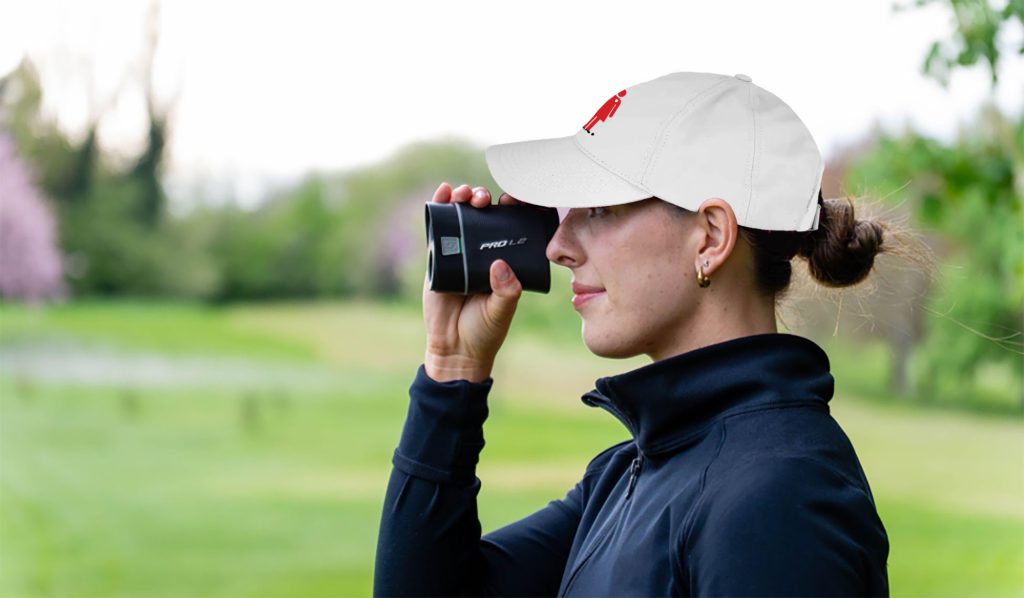

Shot Scope delivers accessible golf improvement to women and girls globally.

Golf News: Shot Scope Announces Partnership with Women’s Golf Day to Empower Golfers Through Technology and Data.

West Palm Beach, Florida and Edinburgh, Scotland: Shot Scope, a leading golf technology brand dedicated to helping golfers improve their game through innovative tracking, GPS, and performance analytics, is proud to announce a new partnership with Women’s Golf Day (WGD).

The partnership brings together two organizations committed to making golf more accessible, engaging, and rewarding for golfers of all skill levels. Through the collaboration, Women’s Golf Day and Shot Scope will highlight the role technology can play in helping women better understand their games, build confidence, and enjoy their time on the course.
“Women’s Golf Day brings the golf community together around one shared mission: to introduce more women and girls to the game and create opportunities for them to stay and thrive in it. By working collectively with the governing bodies, golf facilities, industry organizations, and individuals, we can create more opportunities and ensure a stronger, more vibrant future for the game. Our goal is that woman and girls feel engaged, empowered and supported and discover and enjoy golf with the resources and community they need to make the game part of their lives,” said Elisa Gaudet, Founder of Women’s Golf Day. “Shot Scope shares our passion for growing the game and empowering golfers with tools that make their golf experience more meaningful. We’re excited to partner with a brand that understands the value of data, innovation, and making improvement fun.”

Shot Scope’s technology provides golfers with detailed insights into their performance, helping players identify strengths, understand areas for improvement, and make more informed decisions on the course.

“Shot Scope is thrilled to partner with Women’s Golf Day and support its mission to grow participation and create more opportunities for women in golf,” said Lyndsey Whitefield, Head of Marketing at Shot Scope. “We believe that access to the right technology and information can give golfers greater confidence in their game. Together with Women’s Golf Day, we look forward to introducing more women to the benefits of using data to play, practice, and enjoy golf.”

As part of the partnership, Women’s Golf Day and Shot Scope will explore opportunities to engage golfers through data, educational content, product experiences, and initiatives designed to demonstrate how technology can support golfers throughout their journey.

Shot Scope recently launched “The Women’s Game by the Numbers,” a new eBook exploring the data behind women’s golf and providing practical insights to help women golfers better understand their performance. Drawing on Shot Scope’s performance data, the eBook highlights key trends, statistics, and opportunities for improvement, giving golfers the knowledge and confidence to make more informed decisions about their game. The resource reflects Shot Scope’s commitment to making performance data accessible, relevant, and valuable to more women golfers.

The partnership reflects a shared commitment to building a more enjoyable and informed golf experience for the WGD golf community—one where everyone has the resources, encouragement, and opportunities they need to participate and thrive.

Find out more about Shot Scope: Shot Scope

Find out more about Women’s Golf Day: Women’s Golf Day

Read the Shot Scope ebook “The Women’s Game by the Numbers”: The Women’s Game by the Numbers – Shot Scope

About Women’s Golf Day

Women’s Golf Day (WGD) is a global movement that Engages, Empowers, and Supports women and girls playing golf and learning the skills that last a lifetime. WGD is the fastest-growing female golf development initiative. Held annually around the world, Women’s Golf Day brings together new and experienced golfers for opportunities to learn, play, and connect while celebrating the game and its community. This weeklong celebration is May 25 to June 1, 2027. Golf courses register with WGD and host their own WGD event during this week. These one-day, four-hour events have occurred at over 2,000 locations in 85 countries since its inception in 2016 and have introduced thousands of new golfers to the sport.
All are welcome to participate in Women’s Golf Day, except where prohibited by law. Women’s Golf Day does not discriminate against anyone on the basis of sex, race, color, religion, ancestry, national origin, disability, medical condition, genetic information, marital status, or sexual orientation.

Wiki: https://en.wikipedia.org/wiki/Women%27s_Golf_Day

Socials: @womensgolfday

About Shot Scope

Shot Scope Technologies www.shotscope.com, founded in 2014 and headquartered in Edinburgh Scotland, offers a range of industry-leading products that are designed to help golfers improve their game. From on course products such as GPS devices and laser rangefinders, to launch monitors and their innovative shot tracking devices, Shot Scope have a product for every golfer. Shot Scope products have collected over 460 million shots and been used by hundreds of thousands of golfers worldwide, who enjoy lifetime free updates and no subscription fees – helping them to save an average of 4.1 strokes.
The team consists of technology experts, golfers, and a former Walker Cup player who are passionate about driving game improvement and enjoyment through the most expansive and accessible lineup of golf products on the market.

Everything you need to set goals, interview pros, and maximize practice time

Many golfers arrive at lessons with a “fix me” mindset, expecting the instructor to identify problems, but preparation before the session significantly influences progress. Spending 30 minutes to analyze your game and define goals can maximize the effectiveness of a lesson and lead to measurable improvements.

The 30-Minute Pre-Lesson “Audit”
Before you even step onto the grass, spend half an hour doing the following:

The 10-Minute Stat Review (5-10 mins): Pull up your last three scorecards. Don’t just look at the score; look at the why. Did you lose balls off the tee? Did you 3-putt four times? Bring this “data” to your pro so they aren’t guessing.

The Goal Definition (5 mins): Write down your Top 3 Priorities. Examples: 1. Stop the slice. 2. Better contact with long irons. 3. Improving lag putting.

The “Injury & Limitation” Memo (5 mins): Note any tightness or past injuries (back, wrist, knee). Communicating this instantly stops the pro from teaching you a move your body physically can’t do.

The Gear Inventory (5 mins): Check your bag. Do you have a glove that fits? Are your grips slick? Fixing a gear issue during a lesson is a waste of money—fix it now.
The “Feel” vs “Visual” Check (5 mins): Reflect on how you learn. Do you like seeing your swing on YouTube or V1 Sports, or do you prefer “feeling” a certain muscle move? Tell your pro this in minute one.

Why This Saves You Hours

Most students spend the first 20 minutes of a paid lesson just trying to figure out what they want to work on. By doing this 30-minute prep:

  • You start the lesson with a laser focus.
  • You skip the “getting to know you” guesswork.
  • You ensure the drills you get are tailored to your actual game, not just a generic swing fix.
Have clear objectives! Pros can only help if they understand what you want to focus on.

Top 5 Things to Consider Before Taking a Golf Lesson

Clear Objectives: Define whether you want to fix a specific miss, lower your handicap, or simply learn basic mechanics for social play.

Learning Style: Decide if you prefer technical, data-driven feedback (like TrackMan) or a “feel-based” approach focused on natural movement.

Practice Commitment: Lessons only provide the roadmap; improvement happens during practice between sessions.

Compatibility: A strong rapport and effective communication with your pro are essential for long-term success.

Equipment Condition: Ensure your clubs fit your current skill level so you aren’t fighting your gear during the lesson.

Questions to Ask Your Pro

During the Lesson:

  • “Why am I making this change, and how will it improve my ball flight?”
  • “Can you provide a specific drill to reinforce this feeling when I’m on the range alone?”
  • “What is the primary ‘root cause’ of my most frequent miss?”

After the Lesson:

  • “What are the one or two key takeaways I should focus on this week?”
  • “How much practice time do I need before our next session?”
  • “Can you send a video recap or summary of the changes we made?”

How Many Lessons Should You Take?

Beginners: Plan for 5 to 10 lessons to establish a solid foundation in grip, stance, and basic swing mechanics.

Intermediate Players: 3 to 6 lessons are often enough to target specific issues like consistency or distance.

Frequency: Sessions should be spaced 2 to 4 weeks apart to allow for 3–5 practice sessions between each lesson.

The Role of an Assessment
Yes, a professional should always give you an initial assessment. A quality first session typically includes:

  • A discussion of your goals, sports history, and physical limitations.
  • An observation of your natural swing and current equipment.
  • Identification of fundamental flaws (grip, posture, alignment) before moving to advanced mechanics.

Other Factors to Consider

Arrive Early: Get to the facility 15–20 minutes early to stretch and warm up so you don’t waste paid lesson time.

Note-Taking: Keep a golf journal on your phone or in your bag to record feelings and drills while they are fresh.

Golf is easier than we make it out to be. Your game improvement is just 30-Minutes away.

By combining a targeted 30-minute audit with these five foundational considerations, you transform a standard lesson into a high-performance coaching session that yields immediate, visible results on the scorecard.

Three-putts and unnecessary two-putts can quickly ruin your golf score. The best defense against them is good distance control. However, what sounds simple usually requires extensive practice. Achieving precise distance control often requires developing a “feel” that can only be internalized through repetition. Today, I want to introduce you to a technique that allows you to gain this feel in just a few minutes.

Putting – We’re Worse Than We Think

Even a tour professional only holes half of their putts from a distance of 8ft. For a player with an 18 handicap, the probability of success from that distance drops to just 27%. Therefore, a safety-first approach should be taken on longer putts, ensuring that the ball can be holed in the next stroke.

Feel is the Solution, but It’s Difficult

To achieve this consistency, good distance control is essential. Being able to consistently get the ball close to the hole can prevent costly three-putts and occasionally lead to holing out on the first putt. However, this requires the ability to play the exact distance on demand, relying on one’s “swing feel.” Unfortunately, this feeling only develops after many repetitions. The reality is that many golfers find putting practice boring and prefer to spend their time on the driving range. Therefore, you can’t always rely on this feeling.

The Mind Plays a Role – Especially on “Simple” Shots

Moreover, this feeling can quickly waver under pressure. What worked in practice may not work in the actual game. Simple shots, such as a 3ft putt, can create so much mental pressure that you might mess up the stroke – because these putts are “supposed to be easy.”

Sound Patterns as a Solution?

Audio Golf offers a completely new solution. Instead of boring putting drills, you are provided with specific sound patterns for the most important distances to the hole. When you think of these patterns during your stroke, you automatically play the corresponding distance for which the pattern was made. To simplify, Audio Golf’s inventor, Professor Chia Chou of the University of Music and Performing Arts Graz, compares his technique to running and dancing. Here, the body moves unconsciously in sync with the music. With their sounds, the same happens, but tailored to the desired swing movement. To explore the scientific principles, delve into the concept of “sonification.”

The advantage of this technique is that distance control becomes much more tangible. Instead of painstakingly training the feeling, you can now rely on different sound patterns. After just a few repetitions, if your swing movement is in sync with the sound, the rhythm, length of the backswing, and tempo to the ball are all correct, and the ball consistently covers the right distance. Additionally, the sound blocks out all other thoughts at the crucial moment, so that neither frantic technical considerations nor thoughts of fear occur.

Improve Your Putting Instantly

One example to try is the “ya-la-bam” sound. During your backswing, think “ya-la” to control its length. Then, during the swing toward the ball, think “bam” to control its speed. The ratio of “ya-la” to “bam” determines the putt’s rhythm, typically a 2:1 ratio commonly used by tour players. The backswing duration is twice as long as the time it takes to strike the ball. You can get the idea by watching this video: https://www.instagram.com/reel/CrQkD9fujD5/?utm_source=ig_web_copy_link&igshid=MzRlODBiNWFlZA==

If you attempt this sound without aiming, you’ll notice your balls consistently stop at a certain distance, typically around 12 to 15 feet for most golfers. And that’s after just a few minutes, without much practice.

Free ya-la-bam Guide

On the Audio Golf website,

you can find a free guide that describes

in detail how to use the “ya-la-bam” sound:

www.audiogolf.de/ya-la-bam .

Does This Sound Familiar?

Even though this technique may sound a bit crazy at first, some may feel they already know it. I’m referring to tricks like “Coca-Cola,” “One Thousand and One,” or “1-2-3-1,” which are also thought during the swing movement. However, it’s essential to differentiate here because these methods solely aim to achieve a fixed swing rhythm. In contrast to Audio Golf, these methods do not offer differentiated tempo control and are inflexible. Different golfers have to adjust to one rhythm, and the length of the backswing still has to be controlled by themselves.

Golf Tips Magazine – Editor Insight:

“Having closely followed Audio Golf since the PGA Show in Orlando 2019, I’ve had the privilege to witness its ongoing evolution firsthand. I’m genuinely impressed by the method’s advancements and the dedicated team behind it. Particularly noteworthy is the increasing endorsement from esteemed figures in the golf community such as Brad Faxon and top 100 teachers. For testimonials and deeper insights into their technique, explore their Instagram profile: @audio.golf. It has proven to be a very effective tool for game improvement”….Ted Odorico

Conclusion

Good putting can save you a lot of strokes. However, if you don’t feel like practicing for hours, you should definitely take a look at Audio Golf. You will achieve consistent distance control in no time and avoid unnecessary two- and three-putts.

Additionally, Audio Golf is not only beneficial for putting but also offers many different sound patterns for all areas of the game. Be sure to check out the free guide on the Audio Golf website: www.audiogolf.de/ya-la-bam.

Elevate Your Game with Audio Golf: Join Open Sessions in Florida and New York!

Professor Chou conducts Audio Golf sessions primarily at exclusive private clubs in Florida and New York. Additionally, sessions open to the public are available in Palm Beach, FL during the winter and in Westchester, NY during the summer. Explore further details at www.audio.golf .

0
0
Your Cart
Your cart is emptyReturn to Shop